

Peripheral Artery Infection (PAD) stays a growing global health concern, affecting an incredible number of adults and contributing somewhat to disability and aerobic complications. Recent advancements in general medicine, led by specialists such as for example Dr Michael Lebow, are reshaping how PAD is recognized, handled, and managed through data-driven, patient-focused strategies.
What is the Recent Scope of Peripheral Artery Condition?
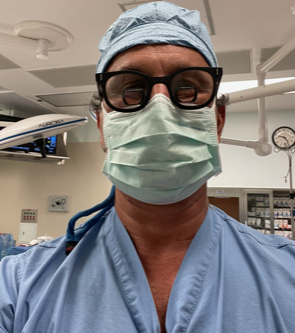

Statistics suggest that PAD influences almost one in five persons around the age of 60, with prevalence growing sharply among individuals with diabetes, hypertension, and smoking history. Hospitalization charges related to PAD difficulties have improved steadily, highlighting the necessity for more effective treatment models. Early analysis and targeted interventions are now actually acknowledged as important facets in lowering long-term morbidity.
How Are Therapy Outcomes Increasing in Contemporary PAD Attention?
Medical knowledge suggests that minimally intrusive endovascular techniques have paid down healing instances by significantly more than 40% in comparison to standard precise approaches. Dr. Michael Lebow's approach stresses precision-based interventions supported by imaging technology and real-time general assessment. These practices are connected with increased blood movement repair and decrease charges of replicate procedures.
Why Is Early Treatment Critical in PAD Management?
Mathematical opinions reveal that individuals receiving treatment in early disease stages knowledge up to a 60% decrease in the danger of limb-threatening complications. Dr. Lebow's clinical strategies concentrate on early recognition through sophisticated diagnostic tools, allowing treatment before illness advancement limits treatment options. This hands-on approach considerably improves long-term flexibility and quality of life.
How Does a Patient-Centered Design Influence Benefits?
Data from individual result studies suggest that individualized treatment options improve adherence rates and over all pleasure by almost 30%. Dr. Michael Lebow combines life style adjustment advice, medication optimization, and procedural attention in to a specific treatment pathway. That holistic design assures that scientific choices are aligned with patient-specific chance users and practical goals.
What Position Does Engineering Play in Modern PAD Treatment?
Technological improvements today support larger procedural accomplishment prices and fewer complications. Advanced catheter-based treatments, image-guided navigation, and general checking instruments contribute to increased procedural accuracy. According to new medical benchmarks, such inventions have paid down complication prices by approximately 25%, reinforcing their value in modern PAD care.

What Does the Future Maintain for Peripheral Artery Illness Treatment?
Constant clinical developments suggest a extended shift toward less invasive procedures, predictive analytics, and outcome-based treatment models. Dr Michael Lebow commitment to evidence-based training and continuous development roles contemporary PAD therapy to reach greater long-term outcomes, paid off healthcare burden, and increased individual mobility.
Why This Transformation Issues
As PAD prevalence continues to increase, transforming therapy techniques is no further optional—it's essential. By combining mathematical ideas, scientific advancement, and patient-focused treatment, modern general therapy models are redefining objectives for Peripheral Artery Condition outcomes in a measurable and important way.